MBBS, Postgraduates, Residents, Physicians, Nurses, Allied health professionals
1. FROM DISCOVERY TO REGULATION: A COMPREHENSIVE GUIDE TO BLOOD PRESSURE
2. UNDERSTANDING BP MEASUREMENT: KEY CONSIDERATIONS & CLINICAL IMPACT
3. THE BURDEN OF HYPERTENSION: FROM DEFINITION TO EPIDEMIOLOGICAL INSIGHT
4. ADVANCED BLOOD PRESSURE MONITORING: CHALLENGES, INNOVATIONS AND BEST PRACTICES
5. HYPERTENSION UNCOVERED: FROM RISK FACTORS TO GENETIC AND EPIGENETIC INSIGHTS
6. BEYOND MEDICATIONS: A HOLISTIC APPROACH TO HYPERTENSION MANAGEMENT
7. OPTIMIZING HYPERTENSION MANAGEMENT: GOALS, GUIDELINES, AND CHALLENGES
8. OPTIMIZING HYPERTENSION CONTROL: PHARMACOLOGICAL STRATEGIES AND BEST PRACTICES
9. OPTIMIZING HYPERTENSION TREATMENT: COMBINATION THERAPY AND ADJUVANT MEDICATIONS
10. HYPERTENSION AND TARGET ORGAN DAMAGE
11. COMPLEX HYPERTENSION: SPECIAL CASES, UNIQUE CHALLENGES, AND TARGETED MANAGEMENT
Course Curriculum: Hypertension – From Basics to Advanced Management
Module 1: From Discovery to Regulation – A Comprehensive Guide to Blood Pressure
Learning Objectives:
· Trace the historical journey of blood pressure discovery.
· Understand the physiology and regulation of blood pressure.
· Discuss the role of neurohormonal and vascular factors.
Subtopics:
· Historical milestones in BP measurement and discovery.
· Physiology of BP: cardiac output, systemic vascular resistance.
· RAAS system.
· Sympathetic nervous system & endothelial function.
· Circadian rhythm and BP variation.
· Pathophysiology of dysregulation.
Module 2: Understanding BP Measurement – Key Considerations & Clinical Impact
Learning Objectives:
· Learn proper techniques of BP measurement.
· Understand pitfalls and errors.
· Interpret clinical implications.
Subtopics:
· Office BP measurement: cuff size, posture, repeat readings.
· Ambulatory BP Monitoring (ABPM).
· Home BP Monitoring (HBPM).
· White-coat and masked hypertension.
· Clinical relevance of measurement errors.
Module 3: The Burden of Hypertension – From Definition to Epidemiological Insight
Learning Objectives:
· Understand definitions of hypertension.
· Explore global and Indian prevalence data.
· Recognize the burden on healthcare systems.
Subtopics:
· Definitions by AHA, ESC, IGH, JNC.
· Epidemiology: prevalence, incidence, mortality.
· Hypertension as a CVD risk factor.
· Public health impact & healthcare costs.
· Social determinants of hypertension.
Module 4: Advanced Blood Pressure Monitoring – Challenges, Innovations and Best Practices
Learning Objectives:
· Appraise advanced monitoring methods.
· Discuss novel technologies in BP measurement.
Subtopics:
· 24-hour ABPM and BP variability.
· Central aortic pressure and pulse wave velocity.
· Wearable technology.
· Challenges: accuracy, affordability, adherence.
· Clinical integration best practices.
Module 5: Hypertension Uncovered – From Risk Factors to Genetic and Epigenetic Insights
Learning Objectives:
· Identify risk factors and genetic predispositions.
· Explore role of epigenetics and biomarkers.
Subtopics:
· Traditional risk factors: age, obesity, diet, inactivity, stress.
· Secondary hypertension causes.
· Genetic polymorphisms.
· Epigenetic modifications (DNA methylation, miRNAs).
· Precision medicine.
Module 6: Beyond Medications – A Holistic Approach to Hypertension Management
Learning Objectives:
· Learn lifestyle and non-pharmacological interventions.
· Understand counseling, empowerment, and digital health.
Subtopics:
· Diet (DASH, salt restriction, Mediterranean).
· Exercise, yoga, stress reduction.
· Sleep hygiene & circadian health.
· Patient education & behavior change.
· Mobile health apps & telemedicine.
Module 7: Optimizing Hypertension Management – Goals, Guidelines, and Challenges
Learning Objectives:
· Compare global and Indian guidelines.
· Define individualized BP goals.
· Recognize barriers in practice.
Subtopics:
· BP targets by population.
· Guideline comparison (AHA/ACC, ESC/ESH, IGH, NICE).
· Barriers: adherence, access, physician inertia.
· Special groups: elderly, CKD, diabetes.
· Strategies to overcome barriers.
Module 8: Optimizing Hypertension Control – Pharmacological Strategies and Best Practices
Learning Objectives:
· Understand antihypertensive classes and mechanisms.
· Select appropriate regimens.
Subtopics:
· First-line drugs: ACEi, ARBs, CCBs, diuretics, beta-blockers.
· Drug choice in comorbidities.
· Side effects & contraindications.
· Cost-effectiveness.
· Prescription principles.
Module 9: Optimizing Hypertension Treatment – Combination Therapy and Adjuvant Medications
Learning Objectives:
· Learn rationale of combination therapy.
· Explore adjuvant and novel drugs.
Subtopics:
· Fixed-dose combinations (FDCs).
· Sequential vs. initial therapy.
· Aldosterone antagonists, vasodilators.
· Resistant hypertension.
· Future therapies & trials.
Module 10: Hypertension and Target Organ Damage
Learning Objectives:
· Identify end-organ damage and prevention.
Subtopics:
· Cardiac: LVH, CAD, heart failure.
· Cerebrovascular: stroke, dementia.
· Renal: CKD, albuminuria.
· Retinal: hypertensive retinopathy.
· Early detection & management.
Module 11: Complex Hypertension – Special Cases, Unique Challenges, and Targeted Management
Learning Objectives:
· Recognize complex/secondary hypertension.
· Develop individualized plans.
Subtopics:
· Pregnancy hypertension.
· Pediatric & adolescent hypertension.
· Elderly/frail patients.
· Endocrine causes (pheochromocytoma, aldosteronism, thyroid).
· OSA & renovascular hypertension.
· Pre/perioperative management.
Course Logistics
· Duration: 12–14 weeks (1 module/week + review).
· Format: Blended learning (lectures, workshops, journal clubs, case-based discussions).
· Audience: Postgraduates, residents, physicians, nurses, allied health professionals.
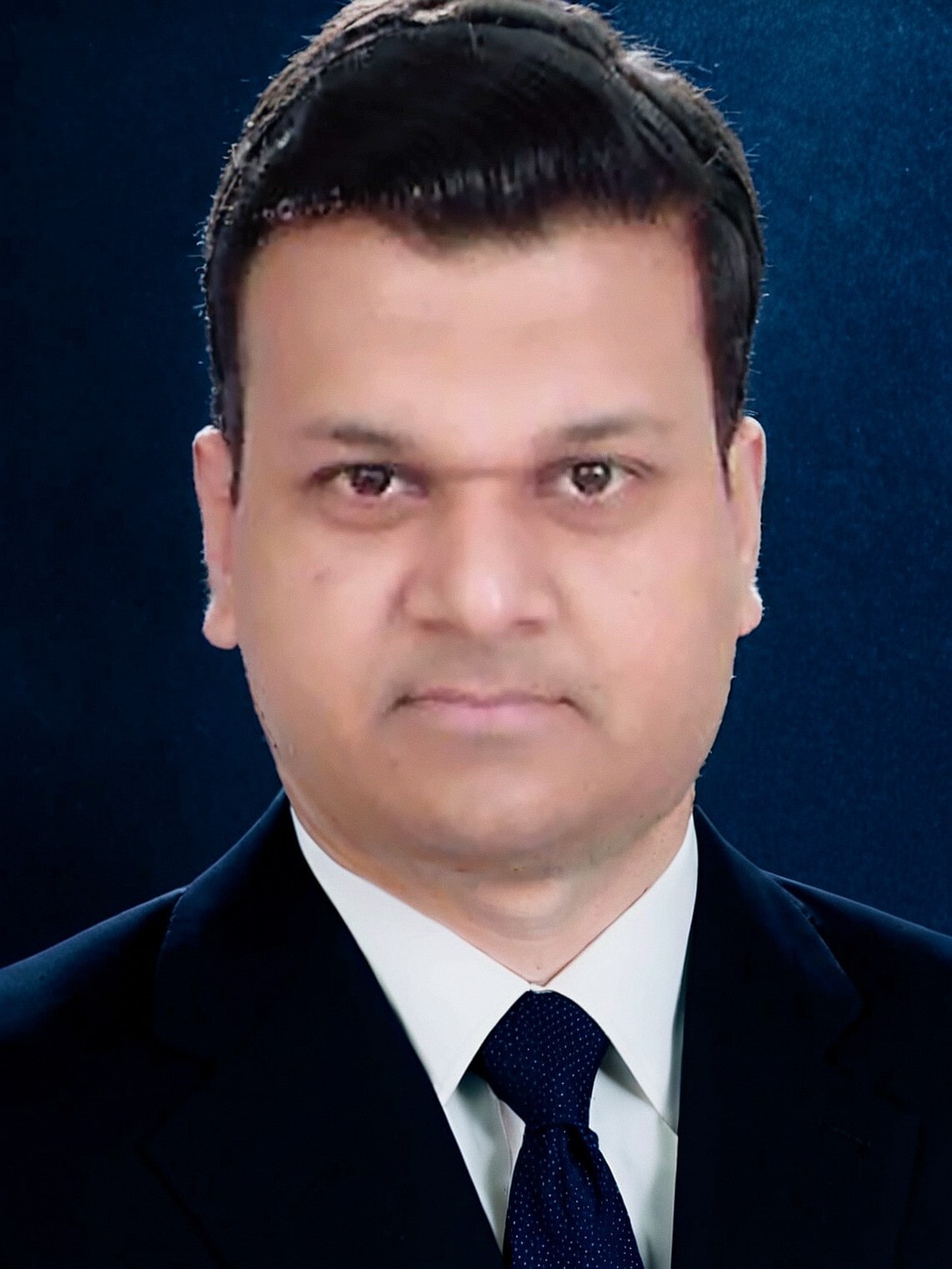
MBBS , MD (Medicine), FACP (USA), FISH, FISMN
He serves as the Course Director for their specialized Hypertension Course.
A Fellow of the International Society of Hypertension, he leverages over 26 years of expertise to train physicians in advanced, evidence-based clinical protocols.
His leadership focuses on bridging academic research with bedside practice to improve the management of complex metabolic and cardiovascular disorders.
No Review found